Champagne Gift Ideas That Feel Thoughtful, Not Generic
A bottle of Champagne can be a lovely gift. A bottle chosen with someone’s tastes, plans, and small rituals in mind feels like something more: an invitation to celebrate, a way to mark a milestone, or a quiet pleasure to enjoy later. The difference is rarely a lavish price tag. It is the care behind the choice—and the details that make the bottle easy to enjoy.

Whether you’re shopping for a host, a newly engaged couple, a colleague, or a friend who knows their way around a wine list, start with the person rather than the packaging. Think about when they might open it, what they like to eat, and whether they prefer a classic, crisp style or something more generous. Then consider how to present it, store it, and serve it well.
Start with the occasion, not the label
Before you choose a bottle, picture the moment it is meant for. Is it likely to be opened at a dinner party? Saved for an anniversary? Shared over brunch, or tucked away until a future celebration? The occasion can help you choose a style that feels personal without requiring intimate knowledge of the recipient’s cellar.
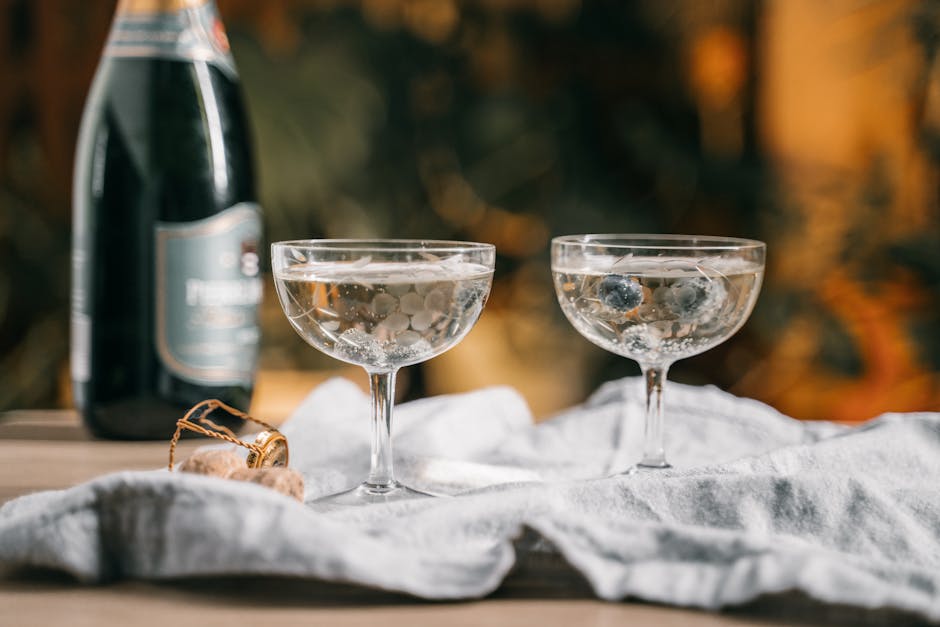
For a versatile gift, a non-vintage Brut is often a sensible starting point. It is generally made to offer a consistent house style and can work across a range of celebrations and foods. If the recipient enjoys a softer, fruitier impression, a rosé Champagne may feel more distinctive. For a serious wine enthusiast or an especially meaningful milestone, a vintage bottle can make the gift feel moment-specific—but it is worth checking that the recipient enjoys the style before making it the centerpiece.
Match the bottle to the moment
Occasion Gift direction Personal touch Thank-you or host gift A versatile Brut Include a note suggesting a simple food pairing Engagement or anniversary A rosé or a vintage cuvée, if you know their taste Reference a shared memory or date New home A bottle suited to a celebratory first dinner Pair it with a small serving accessory or an invitation to dinner Champagne enthusiast A less familiar cuvée from a producer they admire Explain what made you think of themHouse style matters, too. Laurent-Perrier, for example, offers different expressions within its range, so the thoughtful move is to choose a cuvée that suits the recipient and occasion rather than relying on the name alone. If you know they favor a particular producer, build from that preference. If you don’t, ask a trusted wine merchant for a recommendation and describe the person, not just the event.
How to choose the right cuvée
To choose the right cuvée, consider sweetness, texture, and how the bottle is likely to be served. Brut styles are a familiar option for many celebrations. A rosé can bring a more vivid, expressive feel. A prestige or vintage bottling may be appropriate when you know the recipient values special releases—but a less expensive bottle chosen with care can be just as welcome.
If you are unsure, avoid treating rarity as a substitute for thoughtfulness. A bottle that suits a person’s habits is more likely to be enjoyed than one selected simply because it looks impressive. Someone who hosts often may appreciate a reliable, food-friendly style. Someone who collects wine might enjoy discovering a producer or cuvée they have not tried. And for a casual drinker, a familiar style presented beautifully may be the best choice.
- For a flexible, celebratory choice: consider a Brut style that can accompany a range of dishes.
- For a more personal gesture: choose rosé if you know the recipient enjoys its fruitier character.
- For a milestone: look at vintage Champagne or a special cuvée, while keeping the recipient’s taste in mind.
- For a host: think about the meal they are serving and whether the bottle can be opened that evening.
One practical note when comparing options: no prices were provided in the scraped content for this article, so it would be misleading to quote or imply specific bottle costs. Prices vary by retailer, location, vintage, and availability. Check current listings with a reputable wine https://bizzmarkblog.com/what-is-the-safest-way-to-angle-a-champagne-bottle-when-opening/ shop or retailer before buying, and compare like with like rather than assuming every bottle from a producer sits in the same price range.
Consider the Champagne gift box—but make it useful
When you consider champagne gift box options, look beyond decorative sleeves. A box can protect the bottle in transit and make the presentation feel finished, but it should not be the only sign of care. Choose packaging that is sturdy, easy to carry, and appropriate to the recipient’s style. A simple, well-made box often looks more elegant than one crowded with unnecessary extras.
If you are adding an accessory, choose something the recipient will actually use. A quality stopper can help preserve an unfinished bottle for a short time, while a modest serving piece may suit someone who enjoys hosting. Avoid assembling a bundle of novelty items just to make the gift look larger. One thoughtful addition is enough.
Ideas that add meaning without adding clutter
- A handwritten card with a personal memory or a specific reason you chose the bottle.
- A small food pairing, such as crisp crackers or a favorite savory snack, if appropriate.
- A simple invitation to open the bottle together on a future date.
- A useful stopper or a compact, well-designed serving accessory.
- A note about the occasion the bottle is meant to celebrate, even if that occasion is simply an ordinary evening.
Add a personalized note that says more than “Enjoy!”
To add a personalized note, keep it specific and sincere. You do not need to write a toast. A sentence about why you chose the bottle can make the gift feel considered: “I picked this for the dinner you keep promising to host,” or “This seemed right for a toast to your new chapter.” If the bottle is for a future celebration, say so. That small detail gives the recipient a reason to save it.
For a host gift, avoid implying that the bottle must be served immediately. They may already have planned the evening’s drinks. You might write, “For tonight if it suits the menu—or for another celebration.” That lets the host decide without adding pressure.
Social platforms can help with inspiration, but use them as a starting point rather than a shopping list. Pinterest is useful for browsing gift presentation ideas, table settings, and handwritten-card inspiration. Facebook can help you learn about a friend’s upcoming milestone or coordinate a shared gift with others. Still, the most personal clue is often something you have heard in conversation: a favorite style, a dinner they are planning, or a bottle they once enjoyed.
Storage: keep the bottle calm before the celebration
Even a beautifully chosen Champagne can be let down by poor storage. If you are buying ahead, keep the bottle in a cool, dark place with a steady temperature, away from direct sunlight, heating appliances, and repeated temperature swings. A refrigerator is useful for chilling the bottle before serving, but it is not necessarily the best place for long-term storage, especially if the bottle may sit there for an extended period or be exposed to vibration and frequent changes in temperature.
For a gift that will be delivered later, ask the seller how it will be packed and shipped. Heat is a particular concern during transport, so avoid leaving a bottle in a warm car or outside for hours. If you receive a chilled bottle, keep it cool and stable rather than moving it repeatedly between warm and cold environments.
If you are giving the bottle at a dinner, it is considerate to mention that it can be saved. A gift does not have to be opened the moment it arrives. The recipient may prefer to choose the right evening, and that is part of the pleasure.
Serve it at the right temperature
Serving temperature makes a real difference. Too warm, and the Champagne can seem broad and less refreshing; too cold, and its aromas and texture may be muted. As a practical guide, aim for roughly 8–10°C (46–50°F) for many non-vintage styles. More complex vintage bottles are often enjoyable a little warmer, around 10–12°C (50–54°F), so their detail is easier to appreciate. These are useful ranges, not rigid rules—preferences and bottle styles vary.
A refrigerator can chill a bottle gradually, though it takes several hours. If you need to chill it more quickly, place it in an ice bucket with a mixture of ice and water for about 20–30 minutes, checking as you go. Ice alone is less efficient than ice water because water creates more contact with the bottle. Avoid putting a bottle in the freezer and forgetting it; a frozen bottle can be damaged, and pressure inside the sealed bottle makes that an avoidable risk.
For a dinner, chill the bottle before guests arrive and keep it cool in an ice bucket while serving. The goal is not to make the bottle dramatically cold, but to keep it refreshing from the first pour to the last.
Open it safely—and quietly
Opening Champagne should feel controlled, not theatrical. The cork is under pressure, so point the bottle away from people, windows, lights, and anything fragile. Remove the foil, then keep a thumb over the cork while loosening the wire cage. Do not remove the cage until you have a firm hold on the cork.
- Hold the bottle at an angle of about 45 degrees, with the opening pointed away from everyone.
- Keep one hand over the cork and loosen the wire cage with the other. Leave the cage in place while you open the bottle.
- Grip the cork through a clean towel if needed, and hold it steady.
- Turn the bottle—not the cork—slowly, maintaining control as the cork begins to move.
- Let the cork ease out with a soft sigh rather than a loud pop, then pour carefully into clean glasses.
A quiet opening is not only safer; it also preserves more of the wine’s bubbles. If the cork feels difficult to control, pause and reset your grip rather than pulling harder. Never aim the bottle at someone, and never shake it for effect. The best opening is the one that keeps both the bottle and the room composed.
Make the gift feel like an invitation
The most memorable Champagne gifts do not need elaborate staging. They give the recipient a reason to feel seen: a cuvée suited to their taste, a bottle reserved for an occasion that matters, or a simple note that makes the choice personal. A gift box can help, an ice bucket can keep the bottle ready, and a refrigerator can bring it to the right temperature—but none of those details can replace knowing whom you are giving it to.
Choose with the moment in mind, store the bottle carefully, serve it at a considered temperature, and open it with a steady hand. Then add a personalized note that sounds like you. That is how a bottle of Champagne becomes more than a generic celebration gift: it becomes champagne tasting notes template part of a memory the recipient will be glad to share.